Commercial refrigeration is one of the most critical systems in any hospitality venue. In Melbourne restaurants, bars, and cafés, fridges and freezers are running constantly in the background, holding stock at safe temperatures while service ramps up and down throughout the day.
The challenge is that refrigeration systems rarely fail in isolation. A single fault can affect multiple pieces of equipment, slow down service, and create compliance risks if temperatures are not maintained correctly.
From walk-in coolrooms through to bar fridges and display cabinets, understanding how each system behaves when faults occur can help businesses respond faster and avoid costly breakdowns. Below is a breakdown of the most common refrigeration equipment types, the issues they face, and what to look out for before a small problem turns into a major failure.
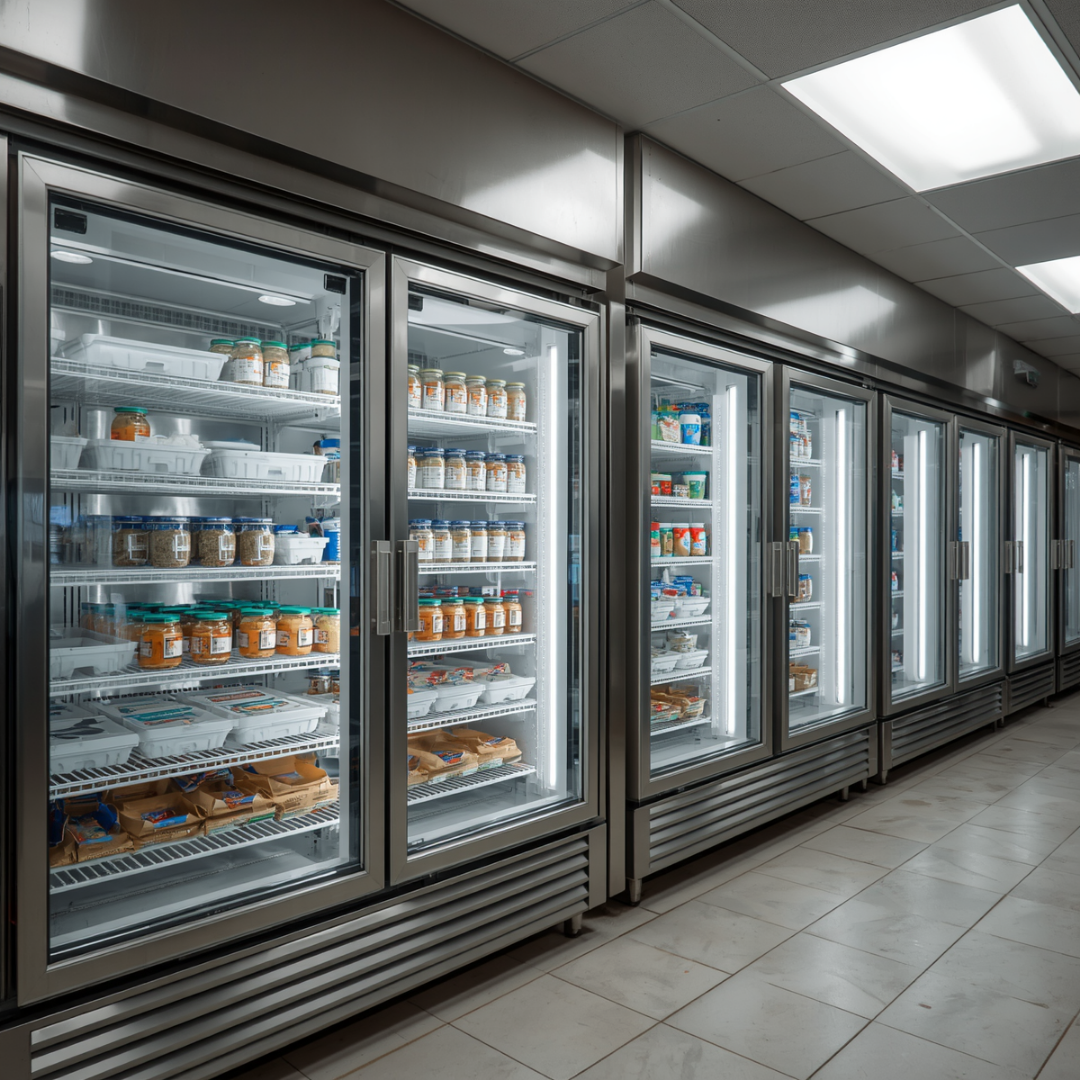
Walk-in Coolrooms and Commercial Freezers
Walk-in coolrooms and commercial freezers are the backbone of food storage in busy kitchens. They are designed to maintain consistent low temperatures across large volumes of stock, often operating 24/7.
Common Issues
- Temperature fluctuations
- Ice build-up on evaporator coils
- Compressor overworking
- Door seal failures
- Poor airflow due to overstocking
What Causes These Problems
In high volume hospitality venues, coolrooms are constantly being accessed during prep and service. Every door opening introduces warm air, forcing the system to work harder.
Over time, this can lead to compressor strain and uneven cooling. Poor maintenance of condenser coils is another major contributor, especially in busy kitchens where grease and dust build up quickly.
Why It Matters
Even small temperature inconsistencies in a coolroom can lead to stock spoilage, food safety risks, and compliance issues. If a freezer begins to struggle, the problem usually escalates quickly under continuous load.
Glass Chillers and Ice Machines
Glass chillers and ice machines are essential in bars, pubs, and high volume beverage service areas.
Common Issues
- Slow or inconsistent ice production
- Cloudy or poor quality ice
- Glasses not reaching proper chill temperature
- Water supply blockages
- Internal scale buildup
What Causes These Problems
Water quality plays a major role here. In Melbourne hospitality venues, mineral buildup from hard water can gradually restrict flow lines and reduce performance.
Ice machines are also highly sensitive to cleaning schedules. When filters and internal components are not cleaned regularly, production efficiency drops.
Why It Matters
For bars, slow ice production directly affects service speed during peak trading hours. Glass chillers that fail to maintain temperature can also impact beverage presentation and customer experience.
Display Cabinets and Cake Display Fridges
Display refrigeration units are both functional and visual. They are designed to maintain safe food temperatures while presenting products in an appealing way.
Common Issues
- Uneven cooling across shelves
- Condensation buildup on glass
- Temperature drift during peak hours
- Lighting or airflow issues
- Door seal deterioration
What Causes These Problems
Display units are often placed in customer facing areas, which means they are exposed to warmer ambient temperatures and frequent door access.
Poor airflow is a common issue, especially when cabinets are overfilled or stock is positioned too close to cooling vents.
Why It Matters
Temperature inconsistency not only risks food safety but also affects product presentation. In cafés and bakeries, this can directly impact sales and customer perception.
Beverage Coolers and Bottle Cabinets
Beverage coolers and bottle cabinets are heavily used in bars, restaurants, and hospitality venues with high drink turnover.
Common Issues
- Drinks not cooling evenly
- Compressor running continuously
- Frost or ice forming internally
- Thermostat inaccuracies
- Poor door sealing
What Causes These Problems
These units are frequently opened during service, especially in busy bars. Constant door access introduces warm air, increasing compressor load.
Overstocking is another common issue, restricting airflow and preventing even cooling across all shelves.
Why It Matters
Warm beverages during service directly impact customer satisfaction and slow down bar operations. Continuous compressor cycling can also significantly increase energy costs.
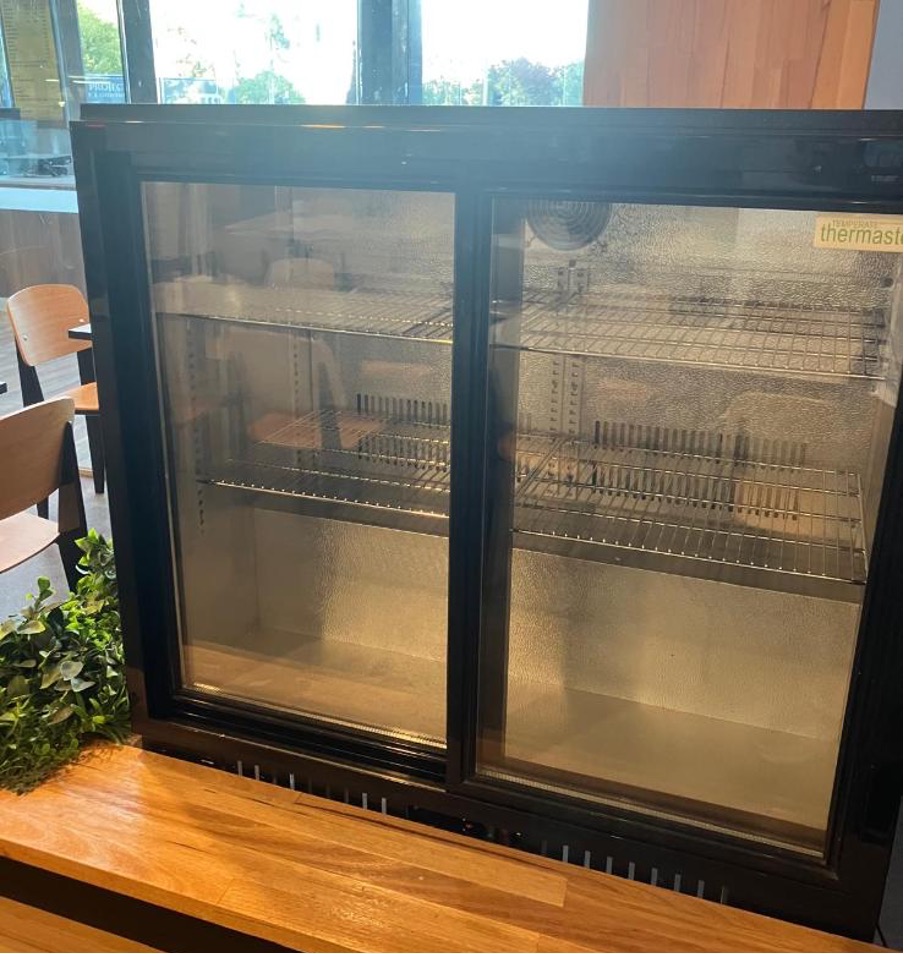
Bar Fridges and Under Bench Units
Bar fridges and under bench refrigeration units are critical for speed and efficiency behind the bar.
Common Issues
- Inconsistent cooling during peak service
- Water leaks or condensation
- Fan motor failure
- Blocked airflow vents
- Compressor overheating
What Causes These Problems
These units are often installed in tight spaces with limited ventilation. Heat buildup is a major issue, especially during busy service periods when ambient temperatures rise quickly.
Lack of airflow around the unit can cause overheating and reduce overall efficiency.
Why It Matters
If under bench fridges fail during service, staff are forced to move stock manually, slowing down service and creating operational pressure during peak trading hours.
Upright and Reach-in Refrigerators
Upright and reach-in fridges are used across almost every type of commercial kitchen for daily storage and prep access.
Common Issues
- Temperature instability
- Excessive frost build-up
- Door seal wear and tear
- Compressor strain
- Internal fan failure
What Causes These Problems
Frequent door opening is the main cause of wear in these systems. Over time, seals degrade and cold air escapes, forcing the unit to work harder to maintain temperature.
Blocked condenser coils are another common issue, especially in busy kitchens where routine maintenance is often delayed.
Why It Matters
When upright fridges fail, entire prep systems can be disrupted. This affects kitchen workflow, food safety compliance, and overall service efficiency.
Why Small Refrigeration Issues Turn Into Major Breakdowns
Across all refrigeration equipment types, one pattern is consistent. Small issues often go unnoticed until they become major failures.
Common warning signs include:
- Slight temperature changes
- Increased noise from compressors or fans
- Longer cooling cycles
- Ice forming in unusual areas
- Minor leaks or condensation
In busy Melbourne hospitality venues, these signs are often overlooked during peak service periods. However, early intervention can prevent expensive emergency breakdowns and reduce downtime significantly.
Preventative Maintenance Matters More Than Most Venues Realise
Preventative servicing is one of the most effective ways to reduce refrigeration failures across hospitality venues.
Regular maintenance can include:
- Cleaning condenser coils
- Inspecting door seals
- Checking refrigerant levels
- Testing thermostats and sensors
- Ensuring airflow is not restricted
- Identifying early component wear
This approach not only reduces breakdowns but also improves energy efficiency and extends equipment lifespan.
Commercial Fridge & Freezer Repairs Melbourne
Commercial refrigeration problems rarely fix themselves. Once performance begins to drop, the system is usually already under strain.
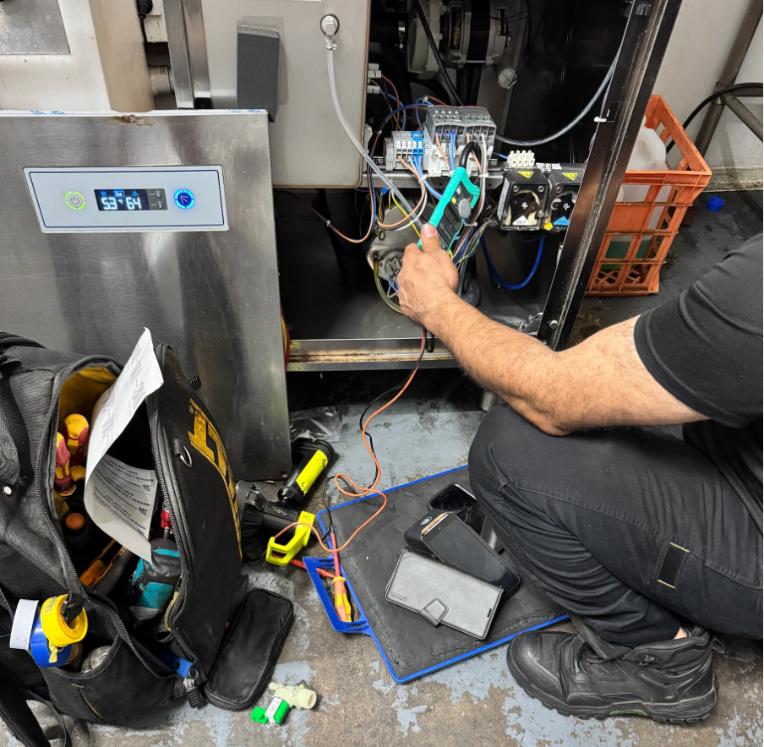
At Commercial Kitchens Armiya, we provide fast and reliable commercial fridge and freezer repairs across Melbourne for restaurants, bars, cafés, and hospitality venues. Our focus is on diagnosing issues quickly, reducing downtime, and keeping commercial kitchens operating efficiently.
If your refrigeration system is showing signs of failure or struggling to maintain temperature, contact our team of experts today to book an expert commercial refrigeration repair in Melbourne or organise a preventative maintenance for your venue.
Disclaimer
This article is provided free of charge for public information. We do not guarantee, and accept no legal liability for, the accuracy, reliability, currency, or completeness of the content or any linked material. Users should apply their own judgment and verify the material’s relevance to their needs. This article is a general summary and not a substitute for legal or professional advice. Users should seek appropriate advice for their circumstances. Any third-party views expressed do not necessarily reflect ours or imply endorsement.