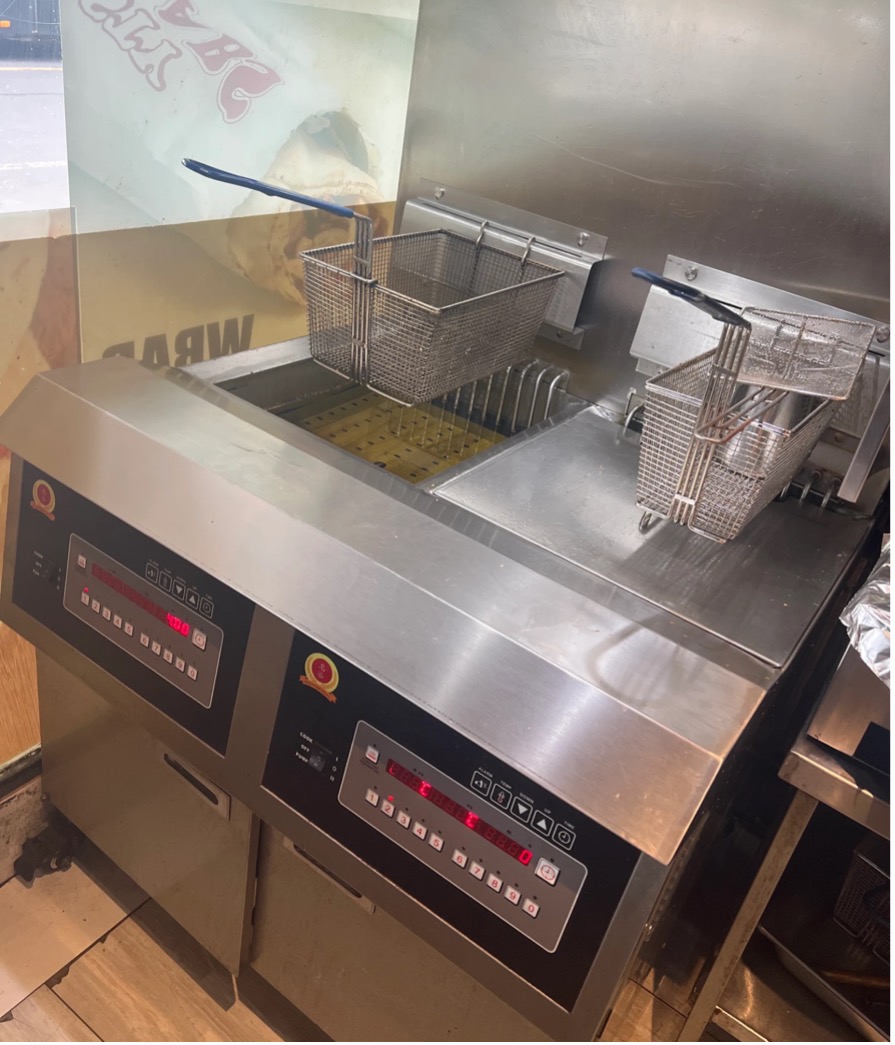
A commercial fryer works hard during every service. In restaurants, takeaway shops, cafés, hotels and catering kitchens, fryers can run for hours at a time, handling constant cooking demands from chips and chicken to schnitzels, seafood and other fried menu items.
At Commercial Kitchens Armiya, we provide commercial fryer repairs in Melbourne and across Victoria, helping hospitality businesses diagnose equipment faults and get their kitchens operating reliably again.
From heating and ignition problems to temperature control and component faults, understanding the common causes can help business owners recognise problems before they become major breakdowns.
Common Commercial Fryer Problems
Commercial fryers operate in a demanding environment. High temperatures, constant use, oil exposure and regular cleaning all place pressure on internal components.
Some faults are obvious, while others can develop gradually. A fryer may continue operating but perform differently from normal, giving you early warning that something needs attention.
Here are some of the common commercial fryer problems our technicians look for.
Commercial Fryer Not Heating Properly
One of the most noticeable fryer problems is a unit that does not reach the required cooking temperature.
For a gas fryer, the problem could involve the burner, ignition system, pilot assembly, thermocouple or gas supply. For an electric fryer, heating elements, thermostats, wiring or electrical components can be responsible.
A fryer that takes much longer than normal to heat up should not simply be left running for longer. It can indicate that a component is no longer operating correctly.
Temperature problems can also affect food quality. If the oil does not reach the correct temperature, food can take longer to cook and may absorb more oil than expected.
Professional diagnosis is important because the exact cause can vary between fryer models and brands.
Inconsistent Oil Temperature
A fryer that heats up but cannot maintain a consistent temperature can be just as disruptive as one that does not heat at all.
You may notice the temperature dropping significantly after food is added or fluctuating during service. In some cases, the fryer may cycle incorrectly or struggle to return to the required temperature.
Potential causes can include a faulty thermostat, temperature sensor, heating component or control system.
For busy kitchens, consistent temperature control is important for maintaining cooking times and food quality. If staff have to constantly adjust the fryer or compensate for temperature changes, it can make service less predictable.
Gas Fryer Ignition and Pilot Problems
Gas fryers rely on an ignition system and burner assembly to generate heat. If the pilot light will not stay lit, the fryer may fail to start or may repeatedly shut down.
Common causes can include problems with the thermocouple, pilot assembly, ignition components or gas control system.
These faults should be investigated by a qualified technician. Gas appliances require proper diagnosis and safe handling, particularly when there is a suspected issue with gas flow or combustion.
If your fryer repeatedly fails to ignite, it is better to have the problem inspected rather than repeatedly attempting to restart the equipment.
Faulty Thermostat or Temperature Controls
Thermostat plays an important role in controlling fryer temperature. It tells the fryer when to heat and when to stop heating based on the selected temperature.
A faulty thermostat can cause several different symptoms, which may cause the fryer to overheat, struggle to reach temperature or fluctuate more than usual. Staff may also notice that the displayed temperature does not appear to match the actual cooking performance.
Temperature control faults can affect both efficiency and food consistency, and can also place unnecessary strain on other fryer components.
Our technicians can inspect the relevant controls and components to identify the cause rather than simply replacing parts without confirming the underlying problem.
Oil Leaks and Damaged Seals
Oil leaks should always be taken seriously in a commercial kitchen. A leaking fryer can create a slip hazard around the equipment and can also indicate a damaged seal, valve, connection or other component. Oil can gradually build up around the fryer, making cleaning more difficult and creating additional maintenance concerns.
If you notice oil collecting underneath or around the fryer, avoid treating it as a simple cleaning issue. The source of the leak needs to be identified.
Replacing a worn seal or faulty component early can help prevent a small issue from developing into a more significant equipment problem.
Fryer Controls Not Working Correctly
Commercial fryers depend on control systems to manage heating and operation. Faulty switches, wiring, thermostats, sensors or other electrical components can cause controls to behave unpredictably.
You may notice that a fryer does not respond correctly when switched on, fails to maintain the selected setting or shuts down unexpectedly.
Electrical faults can be difficult to diagnose without the right equipment and experience, attempting to bypass a faulty control can also create additional safety risks.
A technician can inspect the fryer and determine which component is causing the problem before carrying out the appropriate repair.
Slow Heating and Reduced Performance
Not every fryer breakdown happens suddenly.
Sometimes the first sign is simply that the fryer is taking longer to heat than it used to. Staff may initially work around the problem because the equipment is still functioning.
Over time, however, reduced heating performance can become more disruptive.
A fryer that previously reached operating temperature quickly but now takes significantly longer should be inspected. The issue could be related to the heating system, burner, thermostat, electrical components or another internal fault.
Identifying these changes early can help businesses deal with repairs before the fryer fails during a busy service.
When Should You Call for Commercial Fryer Repairs?
Some fryer problems are obvious, but others are easier to overlook.
Consider arranging an inspection if you notice:
- The fryer is taking longer to heat
- Oil temperature keeps fluctuating
- The fryer is not reaching the selected temperature
- A gas fryer has ignition or pilot problems
- The fryer repeatedly shuts down
- There is an oil leak
- Controls or switches are not responding correctly
- Unusual smells or sounds are coming from the equipment
- Food is cooking differently despite using the same settings
- Staff are regularly having to adjust or work around the fryer
These signs do not always mean the fryer needs major repairs. They are indicators that the equipment should be checked before a small fault becomes a larger breakdown.
Commercial Fryers We Recommend
At Commercial Kitchens Armiya, we supply a range of commercial fryers from established brands, including GasMax, Frymaster, Blue Seal by Moffat, Goldstein and Austheat.
From a repair technician’s perspective, it is important to consider how heavily the fryer will be used, the type of cooking your kitchen handles, available space and how easy the equipment is to service and maintain.
For smaller to medium sized kitchens, models such as the GasMax RC300E, Blue Seal GT18 and Goldstein 18L fryers can be practical options where a single pan and more compact capacity are suitable.
For busier kitchens with higher frying demands, larger options such as the GasMax RC400E and RC500E, Blue Seal GT60 31L, Goldstein 36L and Frymaster Master Jet 40L provide greater capacity for commercial workloads. Twin vat options, such as the GasMax RC400TE and Austheat AF822, can also be useful for kitchens that need to manage different products or cooking temperatures at the same time.
Austheat electric models such as the AF813, AF813R and AF812R are another option for kitchens where an electric fryer suits the existing setup.
The right fryer depends on your menu, workload and kitchen requirements. Because we also repair and maintain commercial frying equipment, we can provide practical advice based on what we see in real kitchens, helping you choose equipment that is suitable for your operation and manageable to maintain over time.
Preventative Maintenance Can Help Avoid Fryer Breakdowns
Commercial fryers are exposed to high temperatures and heavy daily use, so regular maintenance is an important part of keeping them reliable.
Routine servicing can help identify worn components, temperature control issues, ignition problems, damaged seals and other faults before they interrupt service.
Cleaning is also important. Oil residue and buildup can affect equipment performance and make existing problems harder to identify. Following the manufacturer's cleaning and maintenance requirements can help keep the fryer operating correctly.
It is also useful for kitchen staff to report changes in fryer performance early. A small change in heating time or temperature consistency may be easier and less disruptive to address than a complete breakdown during service.
CKA provides preventative maintenance services designed around the needs and operating demands of commercial kitchens. Regular servicing can help extend equipment life, maintain performance and reduce the risk of unexpected downtime.
Commercial Fryer Repairs in Melbourne
At Commercial Kitchens Armiya, we provide commercial fryer repairs in Melbourne and across Victoria for restaurants, cafés, takeaway businesses, hotels, catering operations and other commercial kitchens.
Our technicians can diagnose fryer faults, carry out repairs and provide preventative maintenance to help keep your equipment operating reliably.
If your commercial fryer is not performing as it should, contact CKA to arrange a repair or maintenance service and get your kitchen back on track.
Disclaimer
This article is provided free of charge for public information. We do not guarantee, and accept no legal liability for, the accuracy, reliability, currency, or completeness of the content or any linked material. Users should apply their own judgment and verify the material’s relevance to their needs. This article is a general summary and not a substitute for legal or professional advice. Users should seek appropriate advice for their circumstances. Any third-party views expressed do not necessarily reflect ours or imply endorsement.