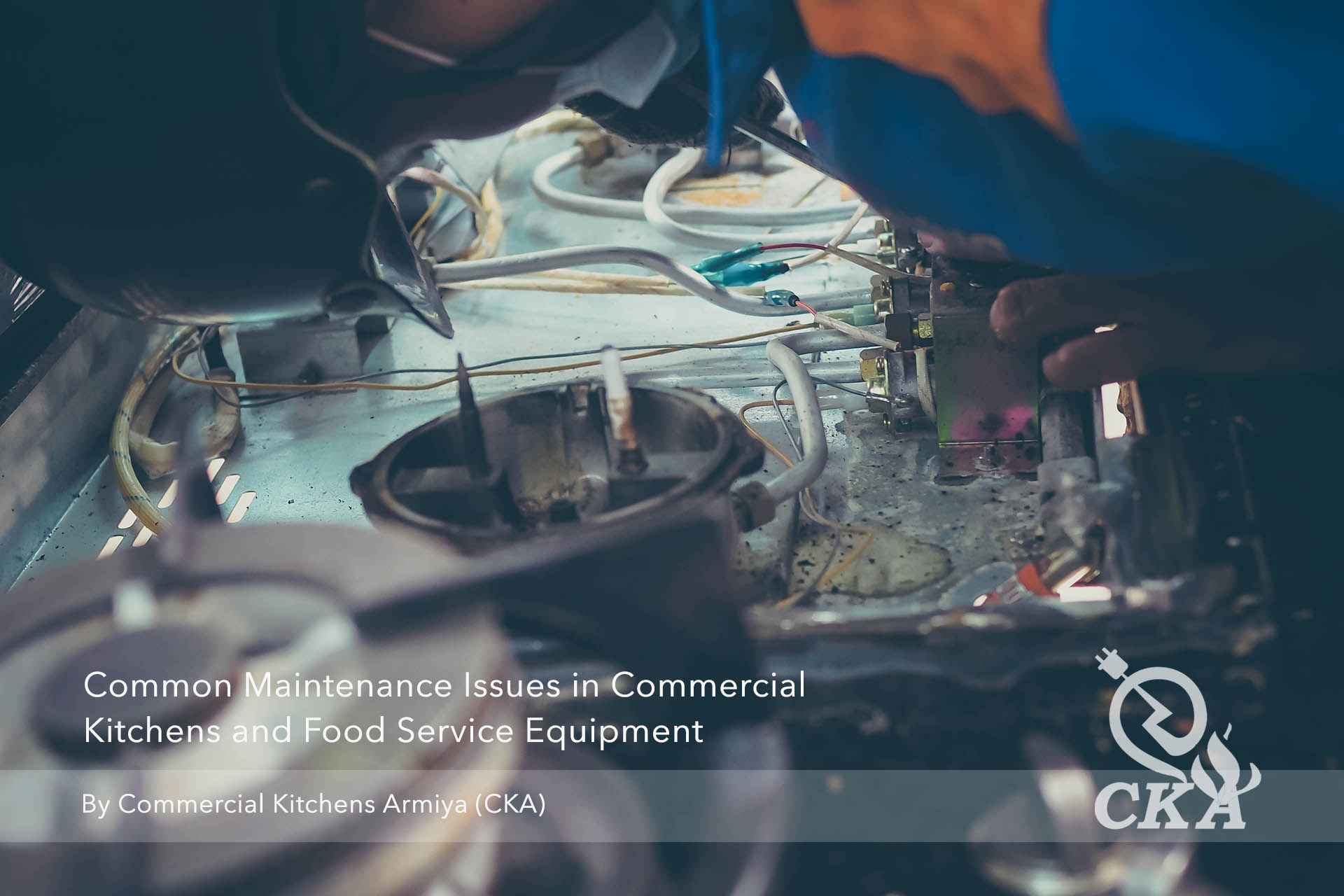
At Commercial Kitchens Armiya, we regularly receive repair requests for commercial dishwashers, fryers, ovens, refrigeration units and other essential commercial kitchen equipment.
While unexpected breakdowns are sometimes unavoidable, regular preventative maintenance can help identify potential issues before they develop into more serious faults.
In many cases, preventative maintenance can be a more cost effective and less disruptive approach, helping businesses avoid some unexpected repair costs, minimise downtime and keep their kitchens running reliably.
Both preventative maintenance and reactive repairs have their place. Understanding how the two approaches differ can help restaurant owners, café operators and hospitality managers make better informed decisions about maintaining their equipment.
What Are Reactive Repairs?
Reactive repairs take place after equipment develops a fault or stops functioning as intended. A technician investigates the problem, identifies its cause and carries out the necessary repair.
This approach is essential when equipment fails unexpectedly. Even well maintained appliances can develop faults due to component failure, electrical issues, unexpected damage or other problems that routine servicing cannot always predict.
For example, a commercial dishwasher may stop heating because a component has failed. A technician needs to diagnose the fault and determine the appropriate repair. Similarly, a fryer that will not ignite requires a proper assessment of the relevant ignition, gas or electrical systems.
Reactive repairs are also a reasonable option for some lower risk equipment, particularly when the appliance is inexpensive to replace, used infrequently or does not create significant disruption if it becomes unavailable.
The challenge arises when a business relies entirely on reactive repairs for essential equipment. A failure may happen during peak service, leaving little time to arrange a technician, source parts or organise an alternative.
What Is Preventative Maintenance for Commercial Kitchen Equipment?
Preventative maintenance is a planned approach to inspecting, cleaning, servicing and adjusting commercial kitchen equipment to help identify developing problems before they lead to a breakdown.
Commercial appliances operate under demanding conditions. Dishwashers complete repeated wash cycles, fryers handle high temperatures, ovens are frequently heated and cooled, and refrigeration systems often run continuously. Over time, normal wear, grease accumulation, scale, vibration and neglected servicing can affect performance.
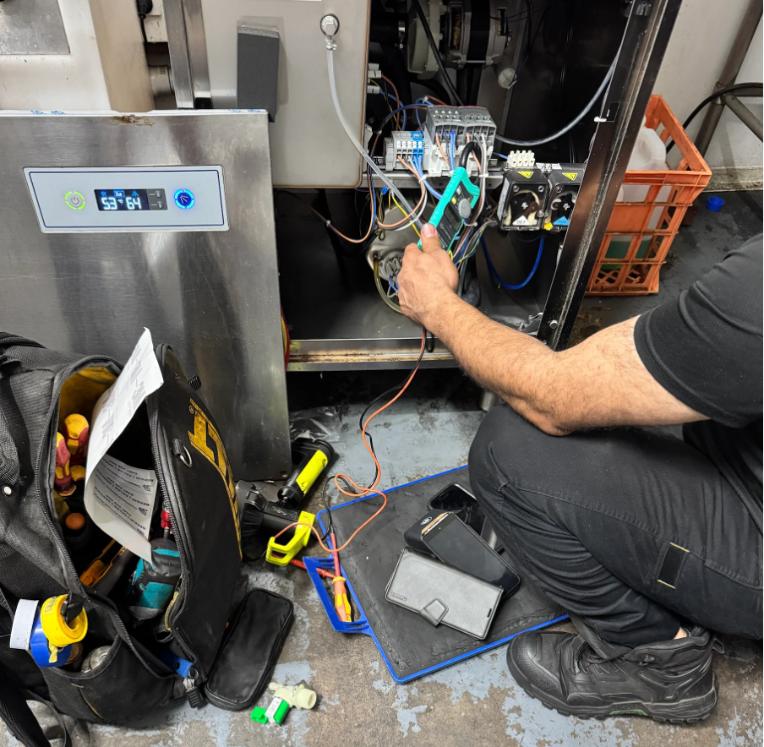
A preventative maintenance visit allows a technician to assess the condition of equipment, check relevant components and identify signs of wear or abnormal operation. Depending on the appliance, this may involve checking heating performance, inspecting seals, assessing drainage, reviewing temperature control or identifying components that may need attention.
The work required varies between appliances and manufacturers. Maintenance should follow the equipment's service requirements and operating conditions rather than relying on the same checklist for every machine.
The main benefit is visibility. Instead of discovering a developing issue only after equipment stops working, a business has an opportunity to address suitable repairs in a planned way.
Preventative Maintenance vs Reactive Repairs: The Key Differences
Both approaches help keep commercial kitchen equipment operational, but they differ in how faults are managed.
Timing and planning
Preventative maintenance is scheduled around the kitchen's operating requirements. Servicing can often be arranged during quieter periods, allowing businesses to plan access to equipment and minimise disruption.
Reactive repairs are less predictable. If an appliance fails during a busy shift, the business may need to arrange urgent assistance and adjust its operations while waiting for a diagnosis or repair.
Planned maintenance does not remove the need for emergency repairs, but it can make some equipment issues easier to anticipate and manage.
Repair costs and budgeting
Preventative maintenance introduces a planned servicing expense. It may also identify additional work that needs to be completed, so maintenance should not be viewed as a fixed cost that eliminates future repair bills.
However, identifying a developing fault early can sometimes allow a business to arrange the repair before it causes further damage. It also gives the operator more opportunity to consider the work, approve costs and plan around the repair.
Reactive maintenance can make budgeting more difficult because the timing and nature of a fault are uncertain. A breakdown may involve diagnosis, replacement parts, additional labour and disruption to normal operations.
It is important not to assume that preventative maintenance will always cost less in every situation. The financial benefit depends on the appliance, its condition, service frequency and the cost of downtime. For equipment that is critical to daily service, reducing the risk of an unexpected failure can be particularly valuable.
Equipment downtime
Downtime is often one of the most significant concerns for hospitality businesses.
If a commercial dishwasher fails, staff may need to wash items manually, reduce service capacity or arrange another solution. A faulty oven or fryer can limit menu options, while refrigeration problems may require immediate attention to protect food and maintain appropriate storage conditions.
Preventative maintenance can help identify some developing faults before they interrupt service. Reactive repairs, by comparison, begin after the problem has already affected the equipment.
No maintenance program can guarantee uninterrupted operation. However, understanding equipment condition and addressing known issues can help businesses prepare more effectively.
Equipment lifespan and performance
Worn seals, blocked filters, scale build-up and neglected components can affect how equipment operates. Depending on the appliance, these issues may reduce performance or place additional strain on other components.
Routine servicing can help identify relevant problems and maintain equipment in accordance with manufacturer requirements. It can also reveal when an appliance is approaching the point where replacement should be considered.
Reactive repairs can restore equipment after a fault, but repairing a failed component does not automatically address other maintenance issues that may remain.
A technician should assess the broader condition of the appliance rather than treating every repair as an isolated event.
Which Commercial Kitchen Equipment Benefits Most from Preventative Maintenance?
Not every appliance carries the same operational risk. The equipment that deserves the most attention is generally the equipment that is heavily used, essential to service or costly to have out of action.
Commercial dishwashers and glasswashers
Dishwashers are central to many restaurants, cafés, bars and catering operations. Problems with heating, drainage, pumps, wash performance or water supply can affect cleaning results and interrupt service.
Routine checks and servicing can help identify developing faults and performance issues. Cleaning and descaling should also be carried out in line with the manufacturer's instructions and local operating requirements.
Commercial fryers and cooking equipment
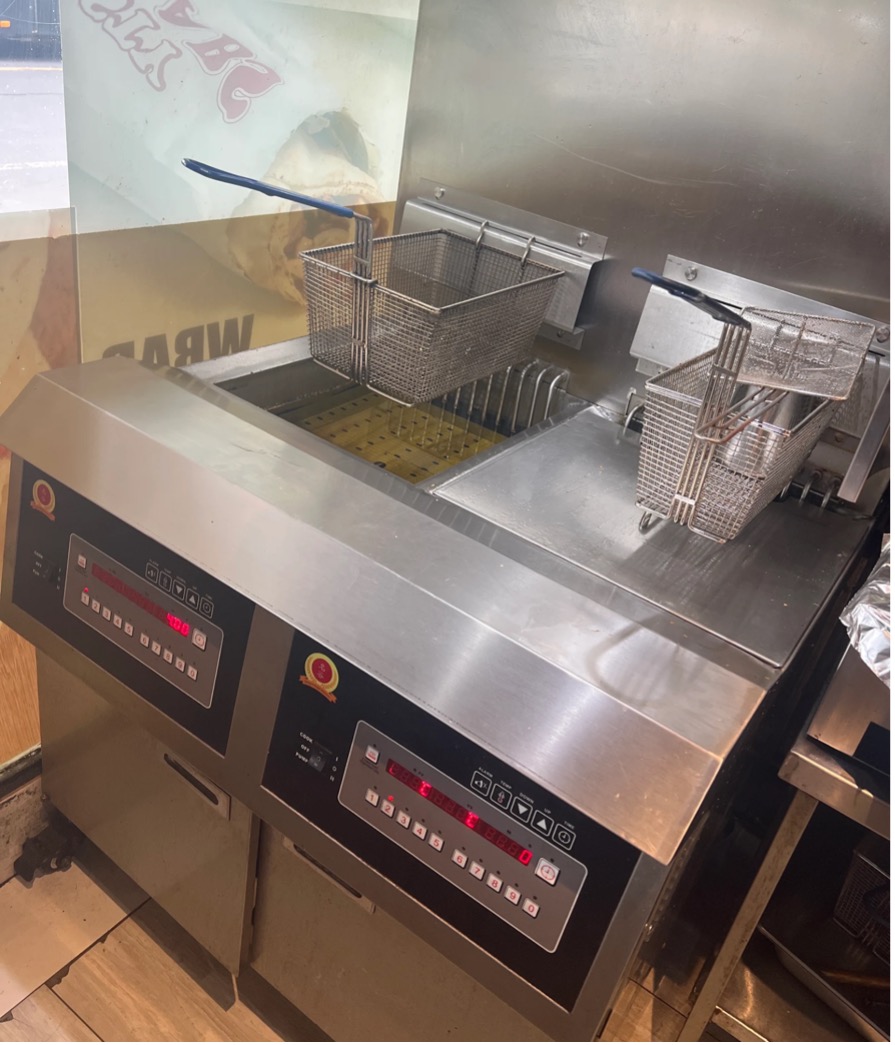
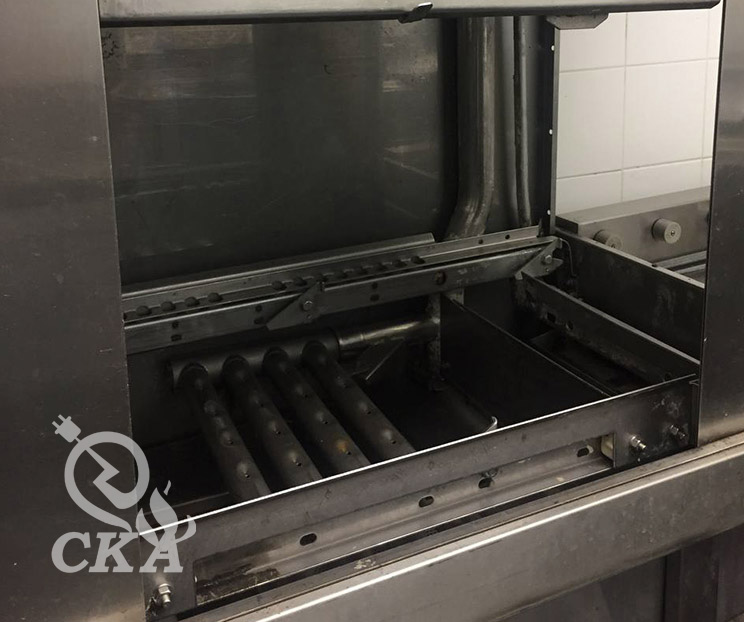
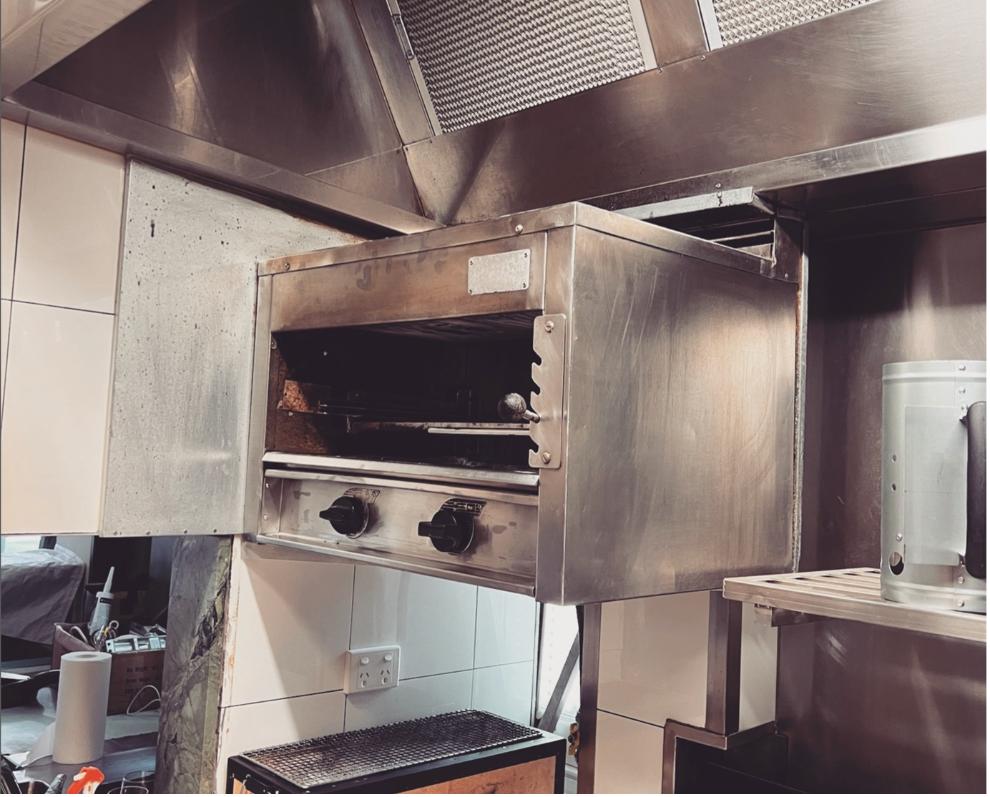
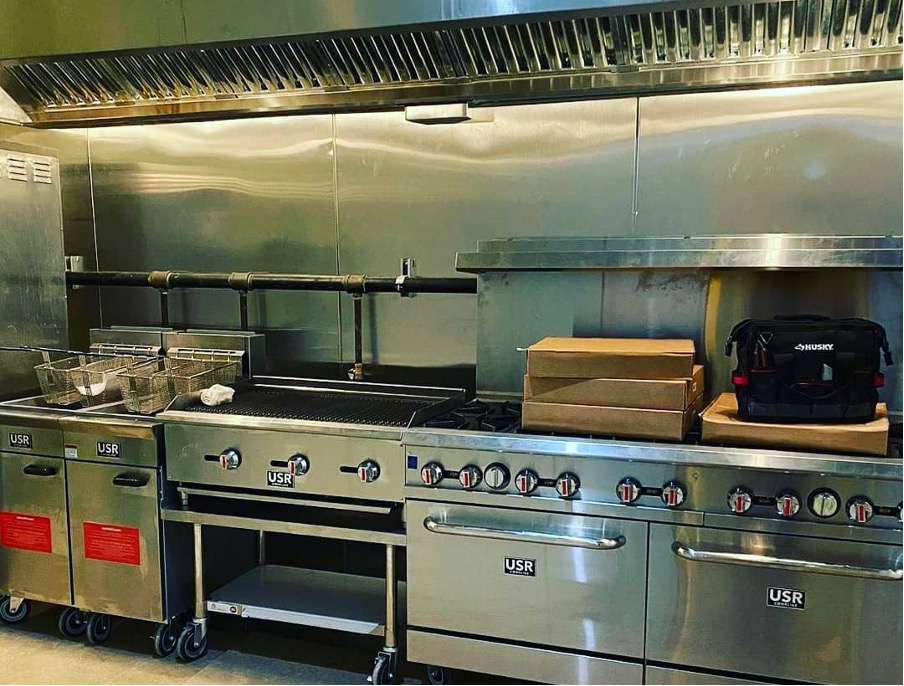
Fryers, cooktops, grills and ranges experience frequent use and exposure to heat, grease and food residue. Ignition issues, inconsistent temperatures, worn controls and other component faults can affect cooking performance.
Maintenance should include appropriate inspections by a qualified technician, particularly for equipment involving gas or electrical systems. Staff should not attempt repairs beyond their training or authorisation.
Ovens and combi ovens
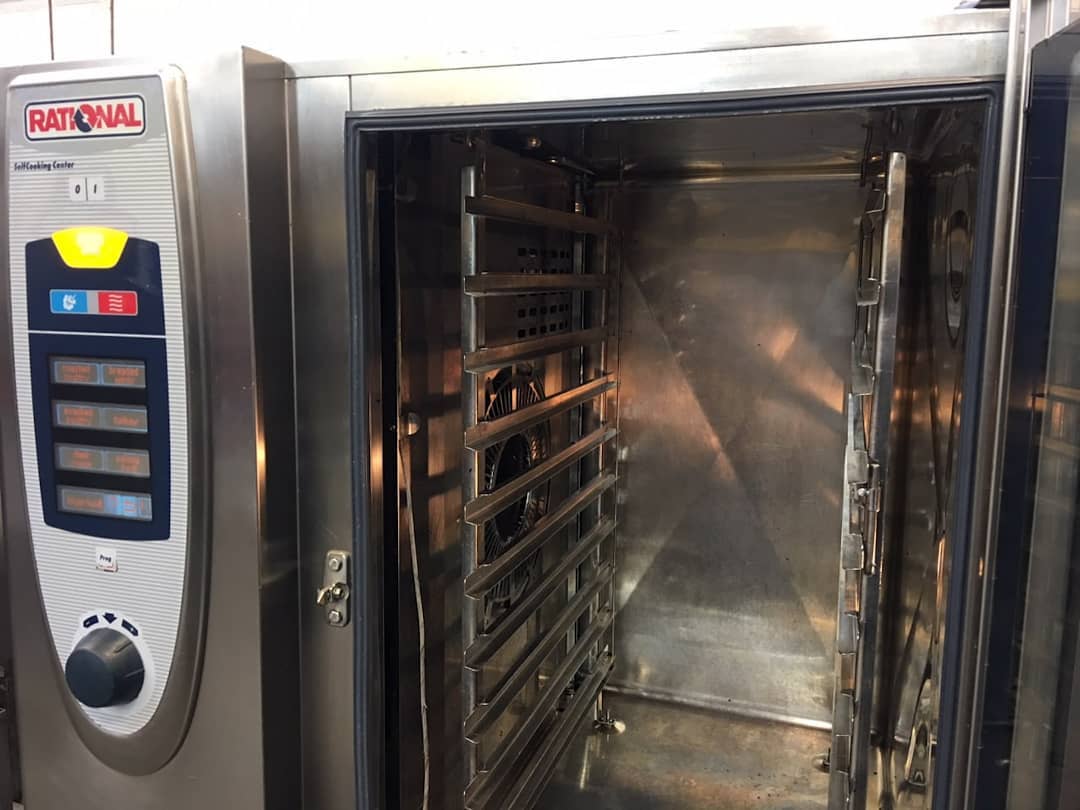
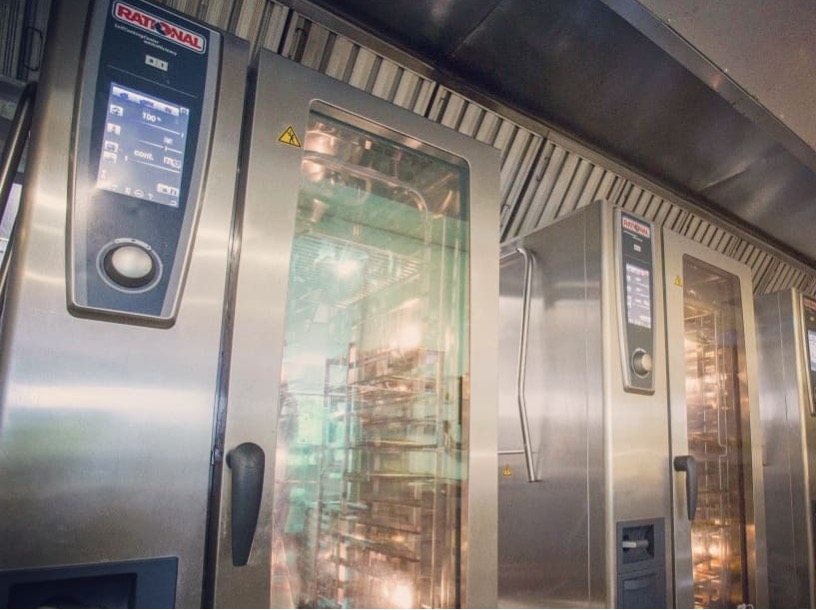
Commercial ovens and combi ovens rely on multiple systems to deliver consistent cooking performance. Depending on the model, maintenance may involve checking heating, controls, fans, seals, drainage and other components.
Small performance changes can be easy to overlook during daily operations. Regular assessment helps establish the condition of the appliance and identify issues that require further investigation.
Commercial refrigeration
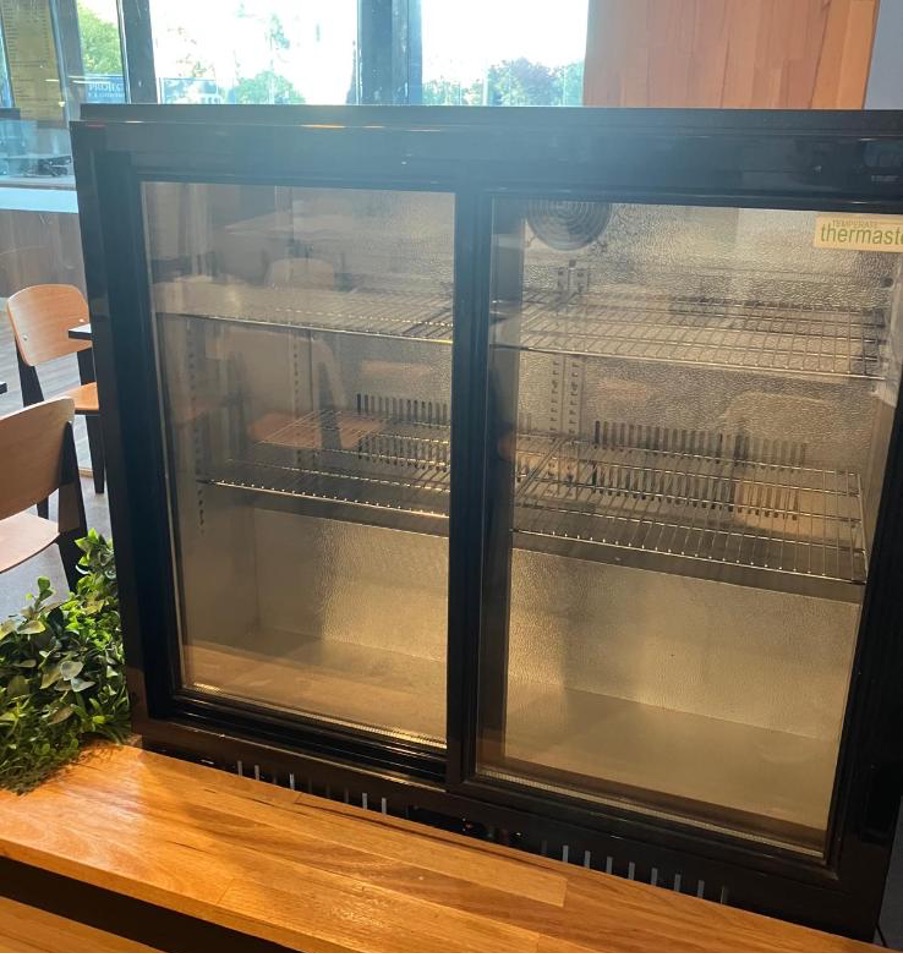
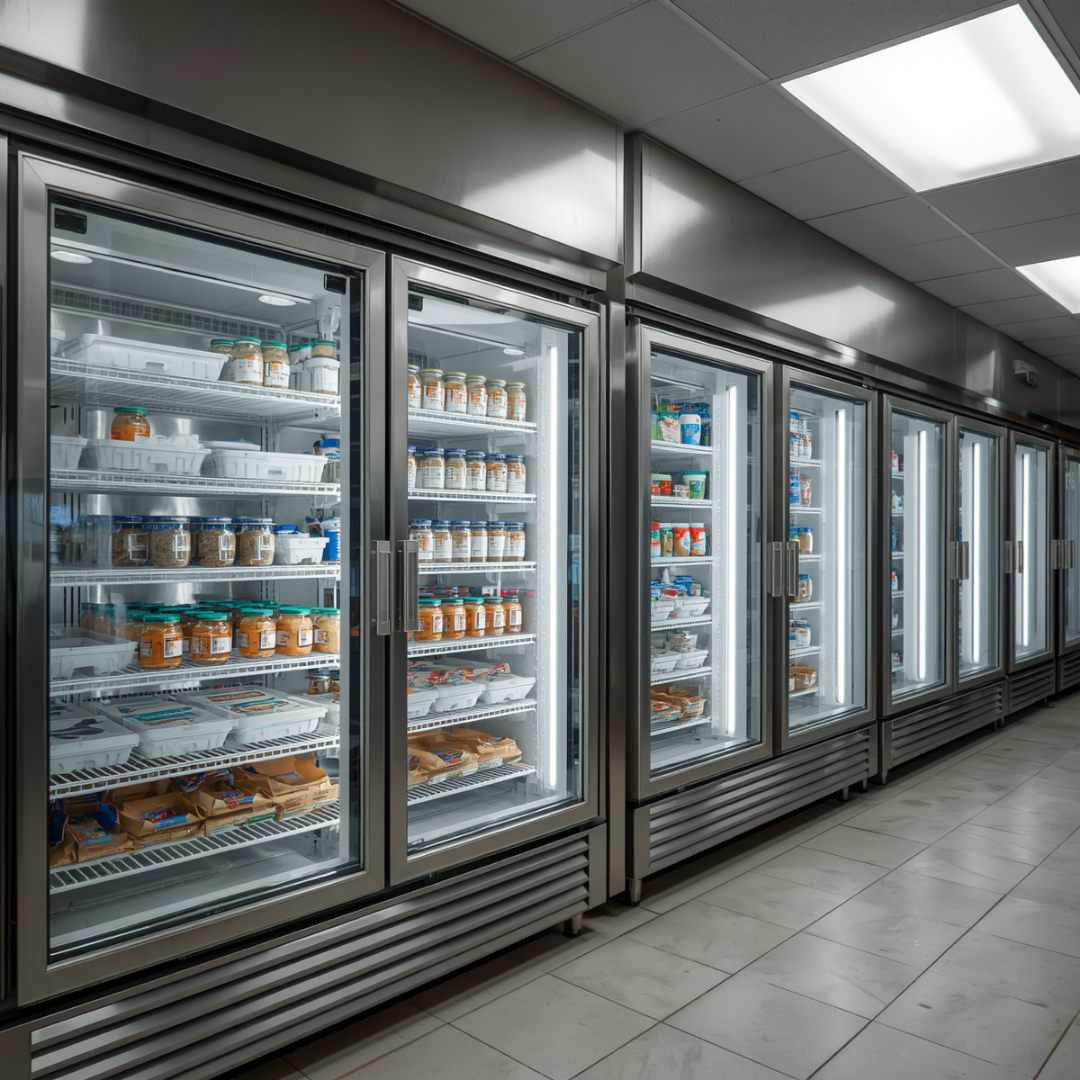
Fridges, freezers and coolrooms are particularly important because temperature problems can affect food storage and create potential food safety risks.
Warning signs may include inconsistent temperatures, unusual noises, damaged door seals, excessive condensation or equipment running more than expected. These symptoms do not always indicate the same fault, so proper diagnosis is important.
If refrigeration is not maintaining safe storage conditions, follow your food safety procedures immediately and seek qualified assistance. Do not wait for the next scheduled maintenance visit.
When Is Reactive Repair the More Practical Option?
Preventative maintenance is useful, but it is not automatically the right response to every appliance or every situation.
For example, a relatively new appliance with low usage may not need the same servicing frequency as equipment operating throughout the day in a high-volume restaurant. Some faults are sudden and unpredictable, meaning a repair will be necessary even when maintenance has been carried out correctly.
Reactive repair may also be more practical when an appliance is nearing the end of its useful life and the cost of an extensive maintenance program is difficult to justify. In these cases, a technician can help assess the condition of the equipment and compare repair requirements with the practical option of replacement.
The important distinction is between making a considered decision and simply waiting for equipment to fail. Businesses should understand the likely consequences of downtime, the cost of maintaining the appliance and the availability of alternatives.
How to Choose a Suitable Maintenance Approach
A practical maintenance strategy starts with understanding the equipment and how the kitchen operates.
Consider these factors when planning maintenance:
- Usage and workload: Equipment used throughout every service may need more frequent attention than an appliance used occasionally.
- Importance to operations: A failed dishwasher, fryer or refrigeration unit may have a greater impact than equipment with an easy alternative.
- Age and condition: Older appliances or equipment showing recurring faults may need closer assessment.
- Manufacturer requirements: Follow the recommended servicing procedures and intervals for the specific model.
- Repair history: Repeated faults can indicate an underlying problem that needs investigation.
- Access and scheduling: Arrange planned servicing around quieter periods where practical.
- Budget and replacement plans: Consider maintenance costs alongside the likely cost of downtime and the remaining useful life of the appliance.
A maintenance schedule should reflect these factors rather than applying the same interval to every item of equipment. Depending on the kitchen, a business may benefit from quarterly, six-monthly or annual servicing for different appliances, subject to their requirements and operating conditions.
Keeping an asset register and service history can also help track previous repairs, recurring faults and upcoming maintenance needs.
Why a Combined Approach Often Makes the Most Sense
For many commercial kitchens, the most practical strategy combines preventative maintenance with access to reliable reactive repairs.
Preventative maintenance helps manage equipment condition and identify issues that can be addressed before they become disruptive. Reactive repairs remain necessary when a component fails or an unexpected fault occurs.
The two approaches support different needs. One focuses on planned care, while the other restores operation when something goes wrong.
For example, a restaurant might schedule routine servicing for its dishwasher, fryers and refrigeration equipment while retaining a process for arranging urgent repairs when unexpected faults occur. If a technician identifies a worn component during servicing, the business can assess the recommended work and plan the repair where appropriate.
This approach does not eliminate breakdowns or guarantee lower costs in every case. It does, however, give operators a more structured way to manage equipment, prioritise risks and make informed decisions.
Commercial Kitchen Preventative Maintenance in Melbourne
Regular maintenance is not a guarantee against every fault, and some appliances will still require reactive repairs. The goal is to understand equipment condition, identify issues where possible and reduce avoidable disruption to your kitchen.
Our CKA's Preventative Maintenance Program covers a range of equipment, including commercial dishwashers, glasswashers, ovens, combi ovens, fryers, refrigeration units, grills, cooktops and food preparation appliances.
Maintenance can be planned around your equipment, workload and operational requirements, with options for scheduled servicing at three, six or twelve-month intervals. The appropriate frequency depends on the equipment and its use.
If you want to take a more structured approach to equipment maintenance, contact CKA to discuss a commercial kitchen preventative maintenance plan that fits you. A review of your equipment and servicing needs can help determine a practical approach for your business.
Disclaimer
This article is provided free of charge for public information. We do not guarantee, and accept no legal liability for, the accuracy, reliability, currency, or completeness of the content or any linked material. Users should apply their own judgment and verify the material’s relevance to their needs. This article is a general summary and not a substitute for legal or professional advice. Users should seek appropriate advice for their circumstances. Any third-party views expressed do not necessarily reflect ours or imply endorsement.